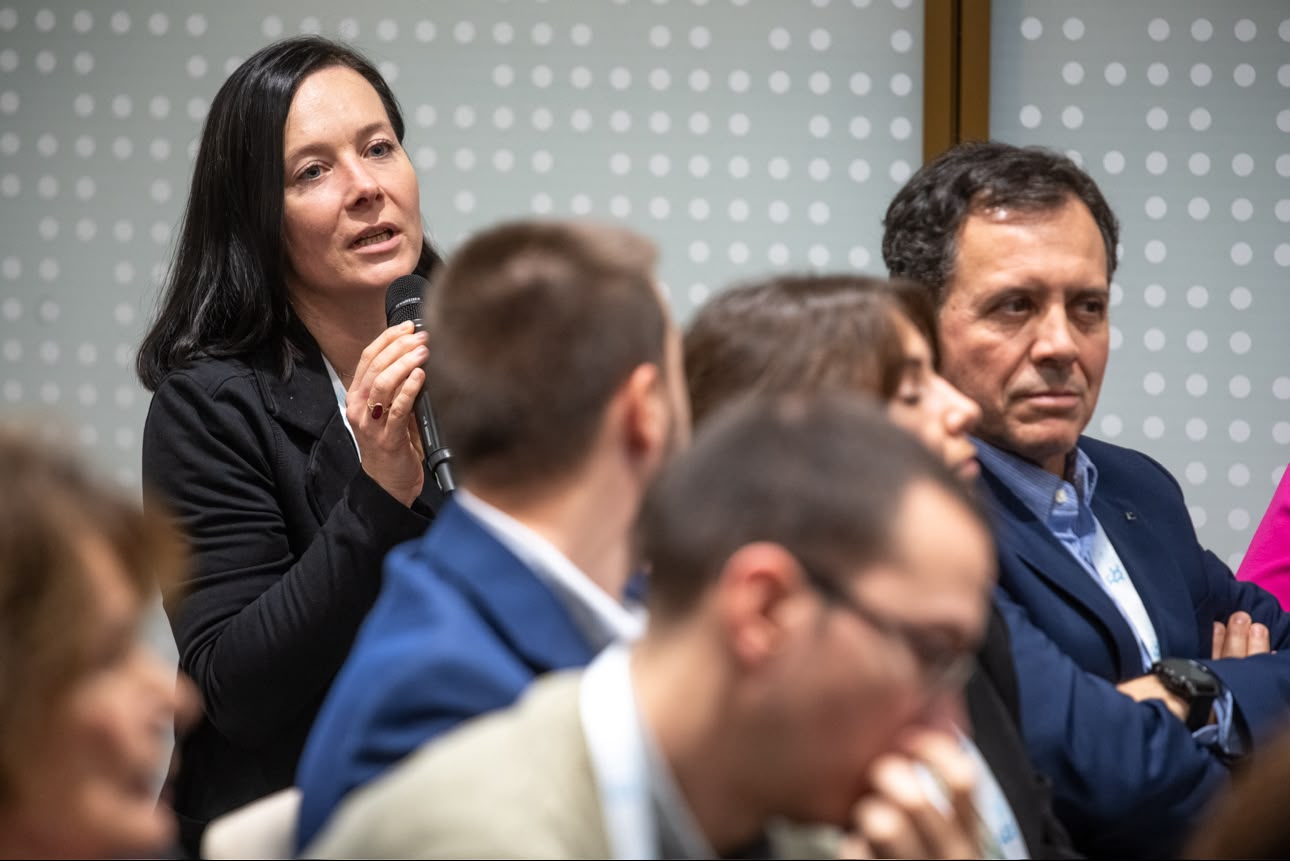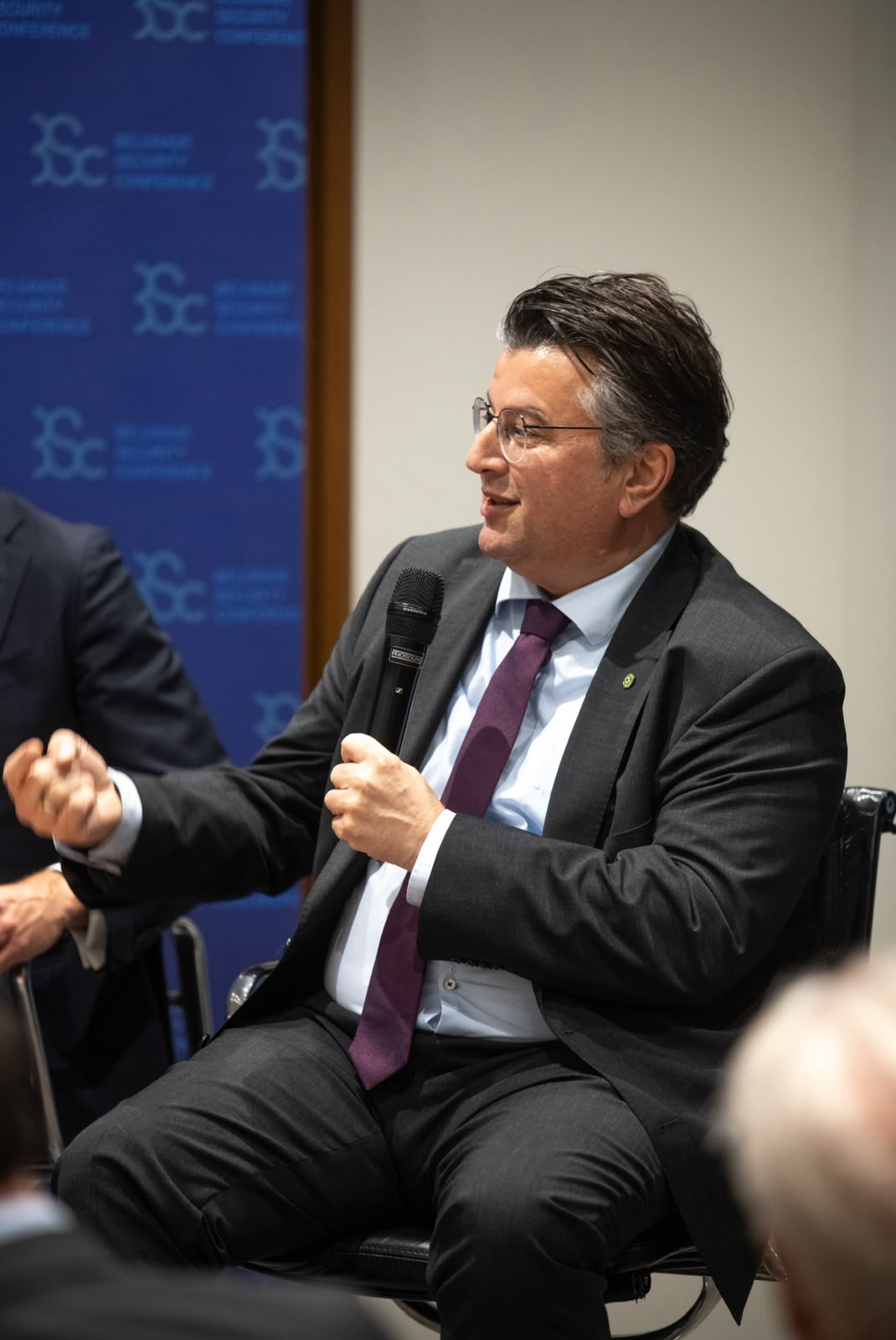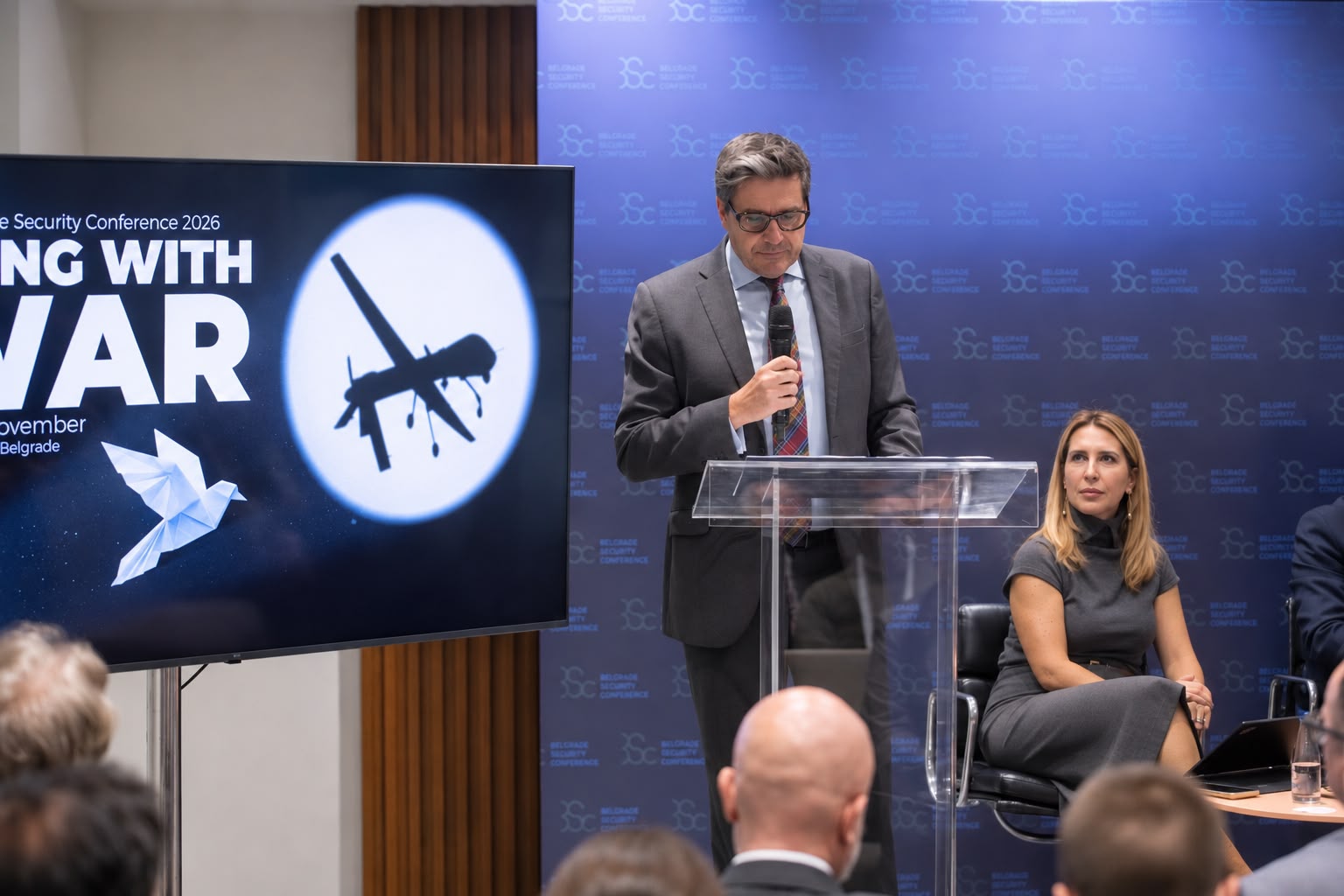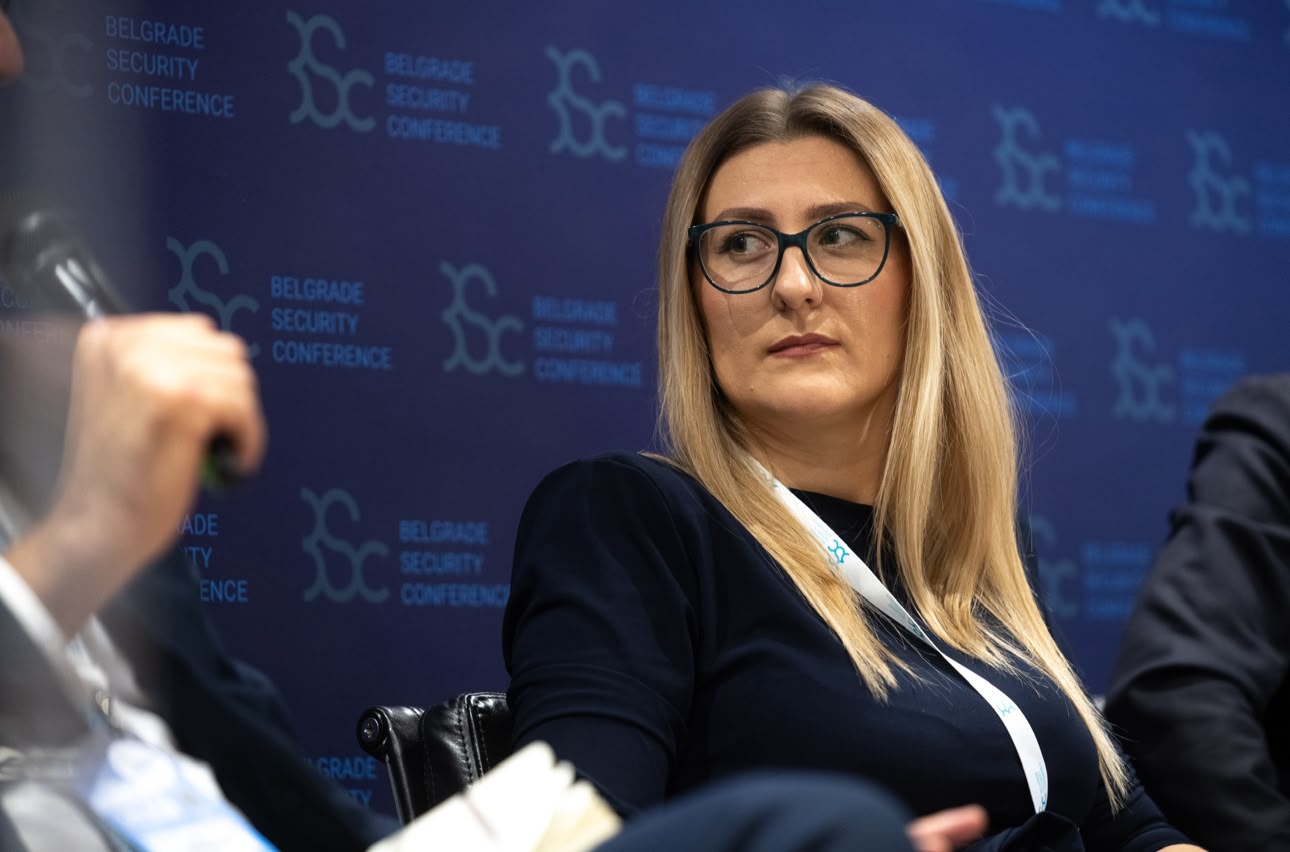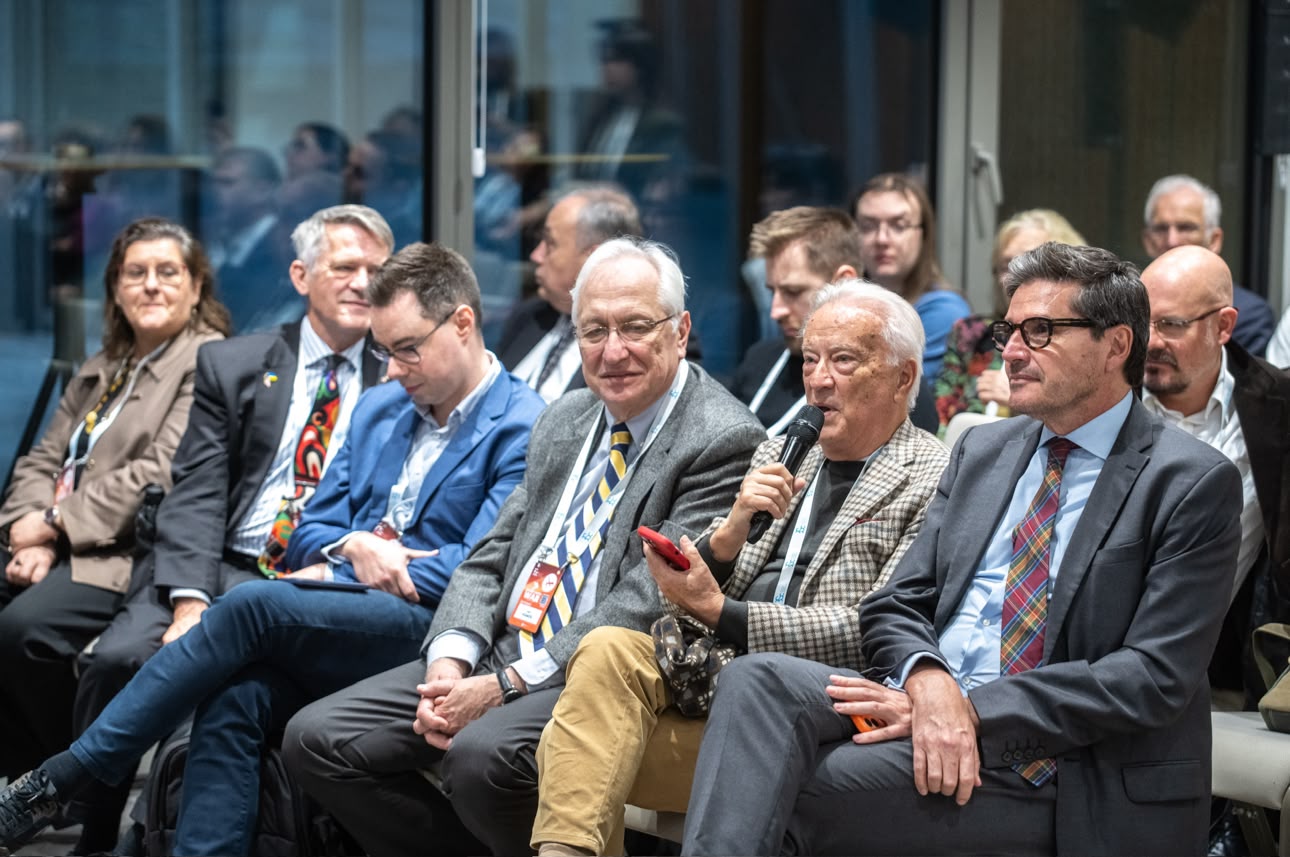
Europe plus organized at Belgrade Security Conference 2026, a discussion panel on the political future of EU enlargement, questioning whether gradual integration is accelerating accession or creating a more comfortable alternative to full membership.
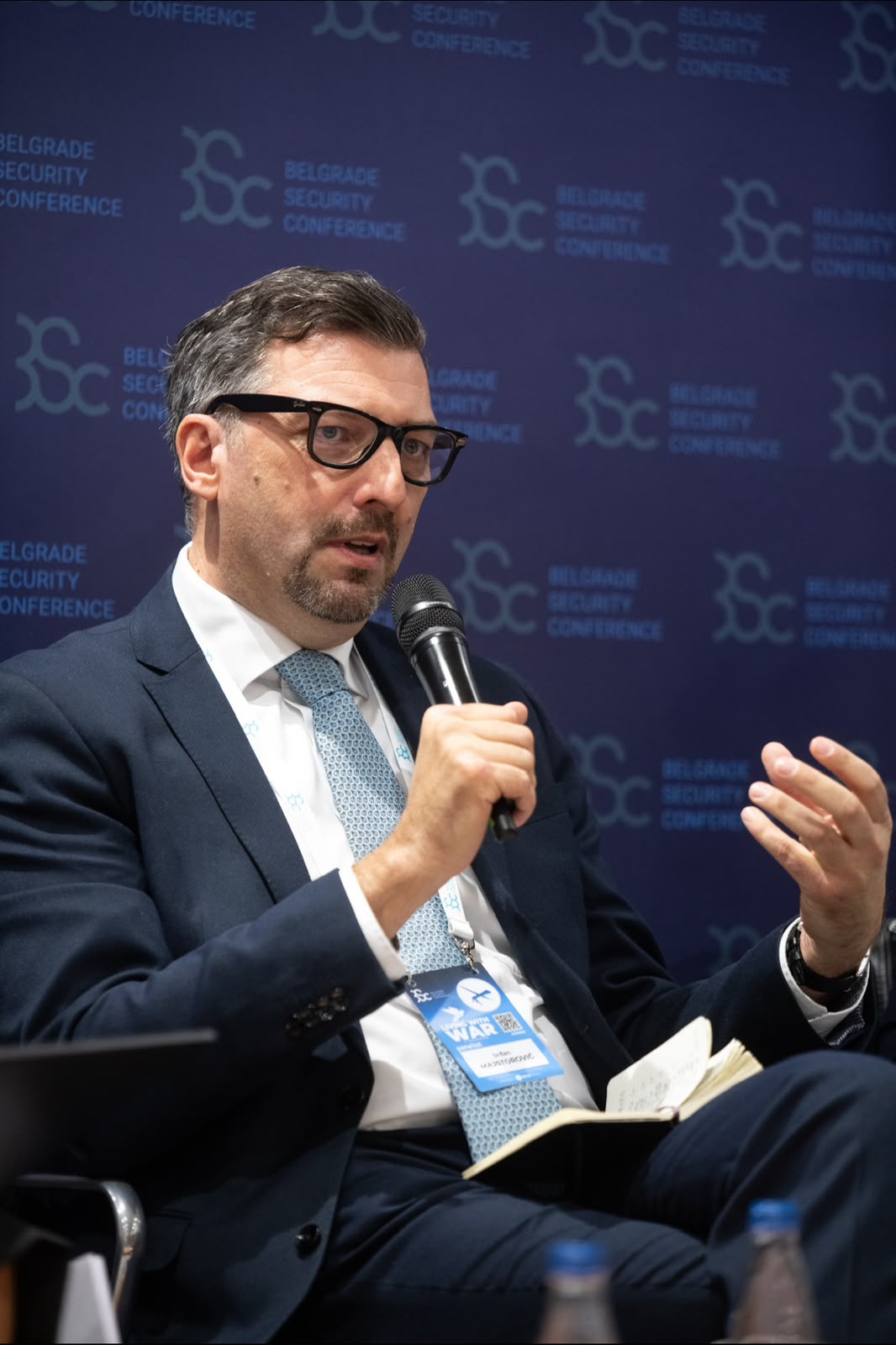
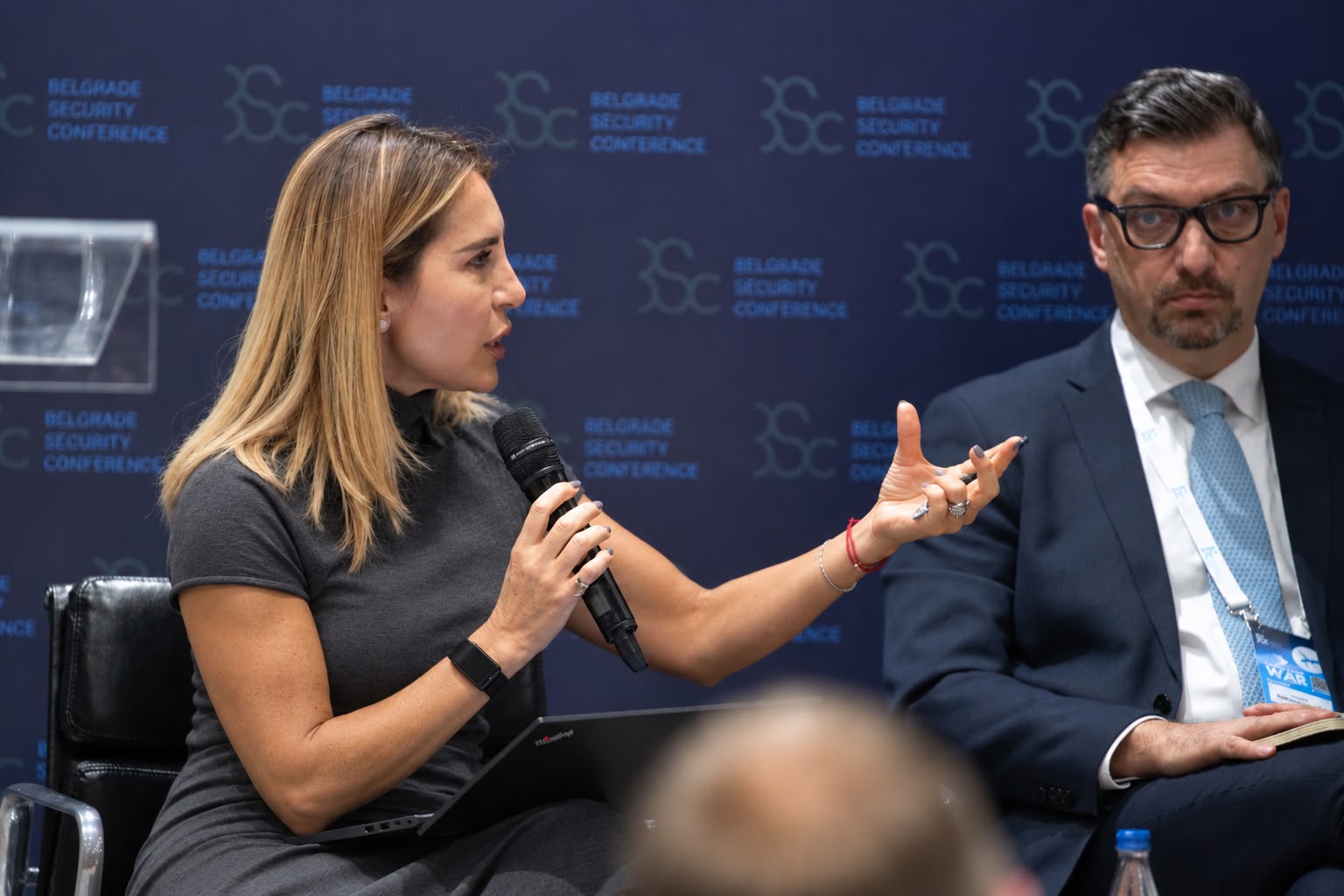
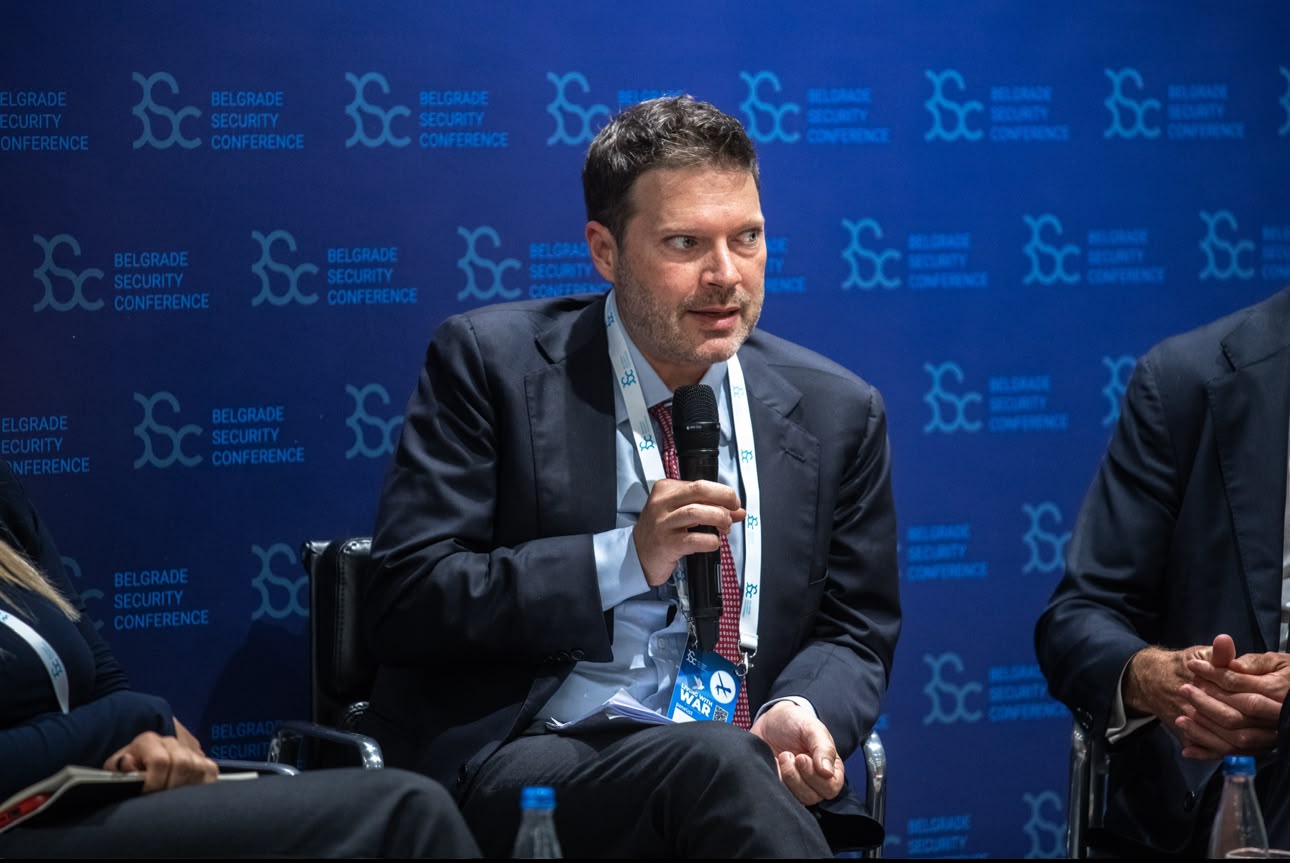
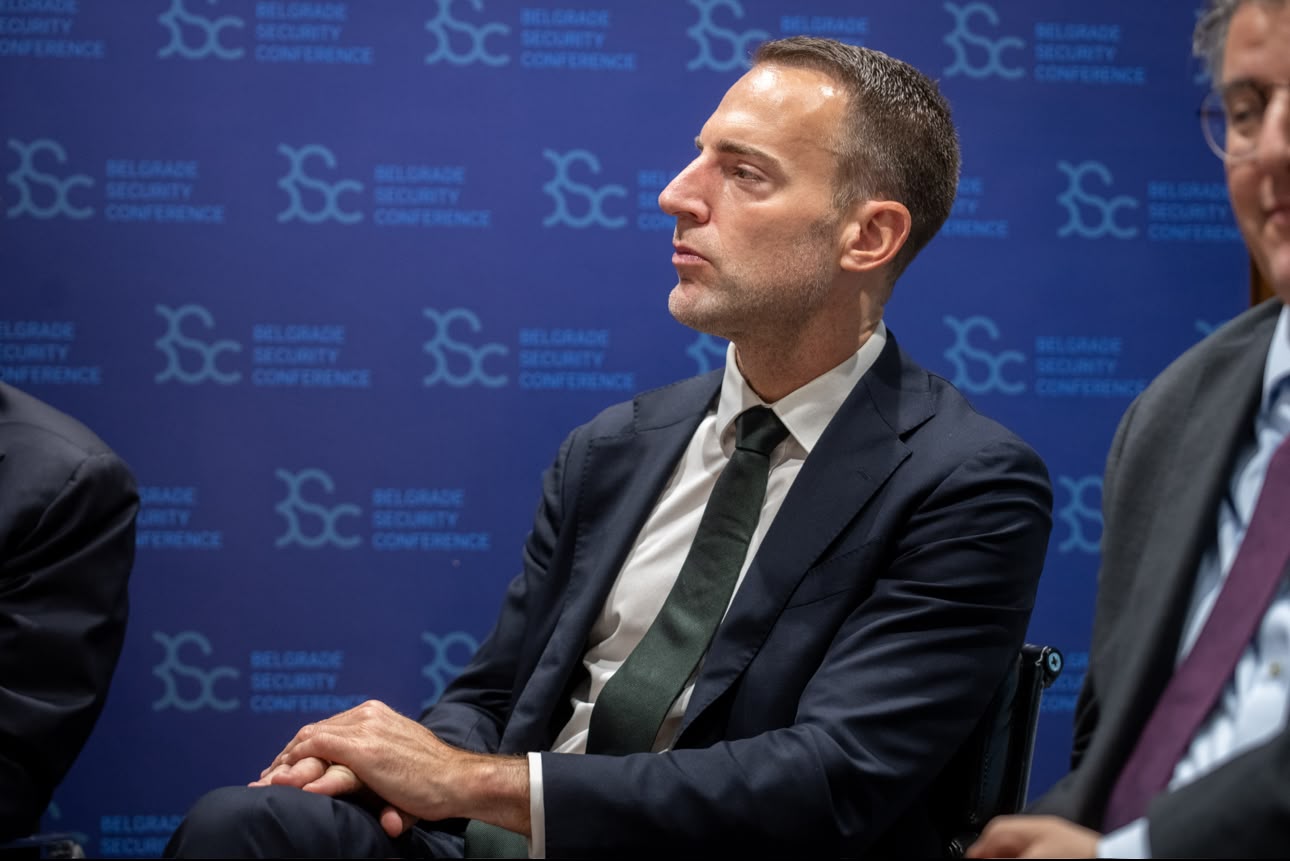
Under the title “Can Europe Afford Not to Complete Itself? From Gradual Integration to Full Membership,” the discussion moderated by Majlinda Bregu, brought together Boris Mijatović, Member of the German Bundestag; Matteo Bonomi, Head of the Europe Programme at the Istituto Affari Internazionali; Matej Zakonjšek, former Director of the Transport Community Permanent Secretariat; Srđan Majstorović, Chairman of the Governing Board of the European Policy Centre in Serbia; and Dragana Jaćimović, Executive Coordinator of Institut Alternativa in Montenegro.
The discusssion was opened with the welcoming remarks by Julian Vassallo, Charge d’affair of European Union Delegation In Serbia.
The discussion examined enlargement at a moment when candidate countries are advancing at markedly different speeds, while the European Union faces difficult decisions about institutional readiness, democratic safeguards and the political terms of future membership.
Bregu framed the debate around a growing contradiction: the EU has become increasingly sophisticated in assessing candidate countries’ readiness, but its own readiness to admit them remains a political question.
Four concerns shaped the discussion: the dependence of reforms on political personalities rather than durable institutions; the distance between official narratives of progress and citizens’ experience of democracy; declining confidence in the enlargement promise; and the unresolved historical disputes that continue to affect regional relations.
Particular attention was given to gradual integration into the EU Single Market, the practical achievements of regional cooperation, and the potential implications of new accession safeguards for the principle of equal membership.
The Green Lanes initiative, established during the COVID-19 crisis, provided a concrete example of what political cooperation can achieve even before accession. It also raised a broader question: why can governments overcome barriers during emergencies that remain unresolved in ordinary times?
The discussion also considered Montenegro’s advanced negotiating position, Serbia’s evolving political circumstances and the risks of allowing differentiated integration to become permanent political exclusion.
Gradual integration can generate tangible benefits for citizens and businesses. Yet its political value depends on preserving a clear destination: full EU membership, under conditions that are rigorous, fair and credible.